How To Make Money As A Voiceover Artist (From Home)
There’s a lot of mystery around voiceover work. Most people assume you need a “radio voice,” a fancy studio in LA, or industry connections to make good money at it.
None of that is actually true.
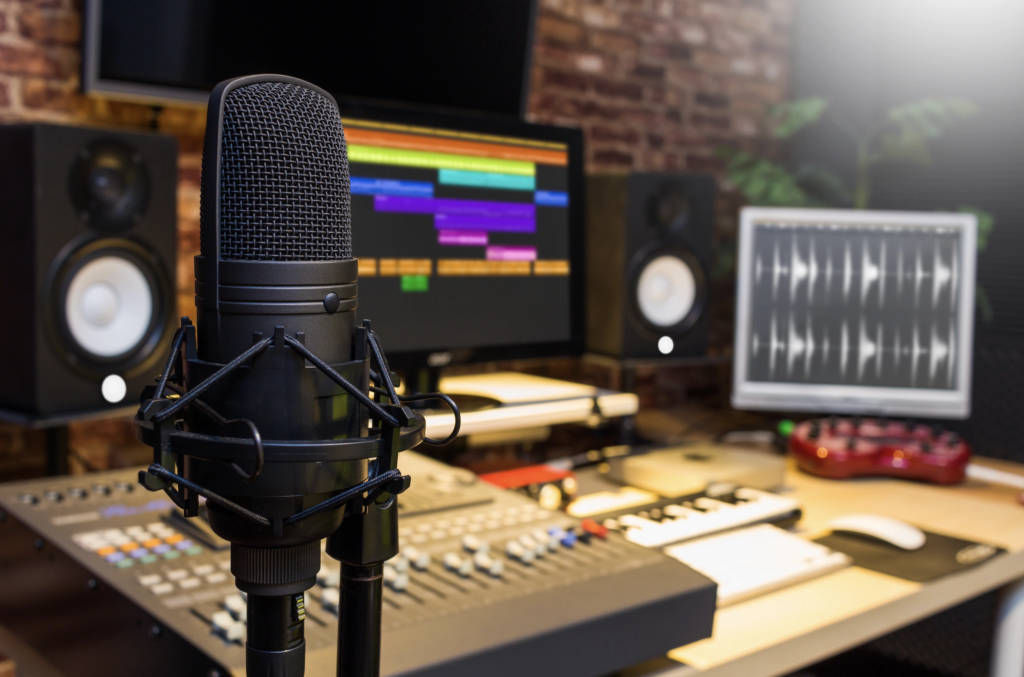
The reality is that voiceover is one of the most flexible work-from-home careers out there. People are recording out of converted closets in their houses, working in pajamas, and building full-time incomes reading scripts for commercials, audiobooks, e-learning courses, explainer videos, and even video games.
In this interview, we did a deep dive into how it works, what the money looks like, and what it takes to go from “I think I’d be good at this” to making a solid living.
What kind of person ends up doing voiceover work?
Most working voiceover artists didn’t grow up planning for this. Common paths in include former actors, teachers, podcasters, broadcasters, pastors, customer service reps, and stay-at-home moms.

The thing that surprises most people is that having a beautiful voice is not the most important quality. Acting ability matters far more. Casting directors and clients are not looking for a deep, smooth radio voice anymore. They want voices that sound real, conversational, and like a friend talking to them.
That means the playing field is wider open than people think. If you can take direction, sound natural on a microphone, and have a quiet space to record in, that’s your starting point.
What’s a realistic timeline from “I’m interested” to actually making money?
Plan on 6 to 12 months before your first consistent paid work, and 2 to 3 years before you can realistically replace a full-time income.
Before you can audition for paid work, you need a few things in place. Some basic training (a class or two and ideally a coach), a home studio setup, and a professionally produced demo reel.

The biggest mistake new voiceover artists make is rushing to record a demo before they’ve learned how to perform. A bad demo costs the same money as a good one and gets you nowhere. Most reputable coaches will tell a student when they’re ready, and it’s usually 6+ months of consistent practice in.
How does voiceover work actually work?
Clients need someone to read a script. That could be advertisers, audiobook publishers, e-learning companies, animation studios, podcast producers, etc.
They either hire a voiceover artist directly, go through a talent agent, or post the job on a casting platform. The voice artist auditions, books the job, records it from their home studio, and delivers the audio file.

The main categories of voiceover work include:
- Commercial: think TV and radio ads, online video ads
- E-learning: corporate training, online courses, educational content
- Audiobooks: recording entire books, often through ACX (Amazon’s audiobook platform)
- Animation and video games: character voices
- Explainer videos: those animated marketing videos companies love
- IVR/telephony: “press 1 for billing”
- Podcast intros and YouTube narration
Most beginners find the easiest entry points are e-learning and explainer videos. Commercial and animation work has more competition. Audiobooks have a lower barrier but pay less per hour of work.
The main casting platforms are Voices.com, Voice123, and Backstage. ACX is the dominant platform for audiobook narration. Many working artists also build direct client relationships and eventually sign with talent agents for higher-paying work.
What does a typical week look like for a working voiceover artist?
Mornings are usually for auditions. A working artist might submit anywhere from 10 to 30 auditions per day, depending on how aggressively they’re working the casting platforms. Booking rates are typically 1 to 5 percent, meaning out of every 100 auditions, you might book 1 to 5 jobs.

That sounds brutal but it’s just the math of the business. Once a steady client base is built, the audition-to-work ratio shifts because direct clients book without auditions.
Afternoons go to recording booked jobs, editing audio, delivering files, marketing, and ongoing training. Most working voiceover artists spend a few hours each week practicing and taking workshops because the craft never stops developing.
Now the money part. What does someone realistically earn?
It really depends, but here’s a chart I’ve found to be really helpful and pretty accurate:
- Local/regional commercial: $100 to $500 per spot
- National commercial: $1,000 to $10,000+ (with residuals)
- E-learning: $200 to $500 per finished hour of audio (a “finished hour” usually takes 3 to 4 hours of actual recording and editing)
- Audiobooks: $50 to $200 per finished hour, or a royalty share through ACX
- Explainer videos: $200 to $1,000 per project
- Animation and video games: Wildly variable, $100 per session for small projects, hundreds to thousands for established credits
Realistic annual income:
- First year working part-time: $5,000 to $15,000 (this is mostly while you’re still learning)
- Established part-time, 2 to 3 years in: $25,000 to $50,000
- Full-time, 3+ years in: $60,000 to $100,000
- Top tier with agents and major clients: $150,000 to $500,000+
Startup costs to plan for:
- Microphone: $100 to $500 for a quality starter mic (Audio-Technica AT2020 or Rode NT1 are popular picks)
- Audio interface: $100 to $200
- Headphones: $100 to $200
- Room treatment: $100 to $500 (acoustic foam panels, or a portable vocal booth)
- Software: Free (Audacity) to $250 (Adobe Audition or Reaper)
- Coaching: $75 to $200 per session, with most artists investing $1,000 to $3,000 over their first year
- Demo production: $500 to $2,000 for a professionally produced commercial or e-learning demo
A reasonable startup investment is $2,000 to $5,000 over your first 6 to 12 months. People who try to do it for free almost always fail because the production quality just isn’t there.
What does it take to actually qualify and get started?
The bar to entry is lower than people think, but the bar to making real money is higher than people think.
You’ll need a quiet space (a closet can work), a decent microphone setup, acting ability or willingness to learn it, coachability, self-discipline to audition daily, and basic business and marketing skills
A few things I thought you needed before starting that you actually don’t need are a “radio voice”, industry connections, a formal acting background, or living in LA or New York.
What are the hardest parts?
The number one challenge is the rejection rate. Submitting 100 auditions to book 2 jobs feels brutal at first. Most people who quit voiceover quit because they took the rejection personally instead of treating it like math.

The second hardest part is income unpredictability, especially in the first couple of years. One month you book three big jobs; the next month you book nothing. Building a financial buffer is important.
The third is isolation. Recording alone in a closet for hours can wear on you. Most working artists actively build community through online groups, in-person workshops, and conferences.
What are common misconceptions or mistakes beginners make?
First, is thinking voice quality is what matters most. It’s your acting that books work.Another is skipping coaching and recording a demo too early. A demo recorded before you’re ready costs the same money but produces zero results.
Additionally, buying every piece of equipment before knowing what you need. Start simple and upgrade as you grow otherwise you’ll spend a fortune for nothing.
And finally, underestimating the business side. This is a self-employment business, not just performing. Marketing, invoicing, and client management are part of the job.
How time-demanding is voiceover work, and how does it fit into real life?
This is one of the most flexible careers available. You set your own hours, you don’t have to travel, and you can scale up or down as life requires.
That said, building a business takes consistent effort, especially early on. Plan on 15 to 20 hours per week minimum if you want it to grow. Once established, working artists often work 25 to 35 hours per week for full-time income, and the schedule is genuinely yours to design.
For parents of young kids, it’s particularly attractive because you can record during nap times, school hours, or after bedtime. The work scales with the time you put in.
What would you say to someone who feels drawn to it but is overwhelmed?
The most useful first step is the smallest one. Take a beginner voiceover class online (many are under $100). Read scripts out loud at home and record yourself on your phone.

Most people who feel pulled toward voiceover discover within a few weeks of casual exploration whether it’s really for them.
If after a few weeks of dabbling you still feel pulled, the next step is finding a coach for a few sessions. From there, the path unfolds naturally.
Voiceover isn’t a get-rich-quick path, but it’s one of the most genuinely flexible and scalable work-from-home careers available, and unlike a lot of “side hustles,” there’s a clear ceiling well into six figures for women who treat it like a genuine business.