How Katie Built a Six Figure Career in Commercial Flooring Sales (after starting as a receptionist)
Most people don’t think “construction” when they think about high-income careers. When the word sales comes up, it’s usually tech, real estate, or finance, the usual suspects.
But there’s this whole lane of opportunity sitting in business construction jobs, and it flies under the radar because most people assume you need a background in the trades to even get started.
In today’s income story, I’m sharing an interview with someone who walked into the industry with literally zero construction experience and still worked her way into a role with six-figure commission potential. If you’ve ever wondered what else is out there beyond the obvious paths, this one is for you.
Let’s get into it.
Can you tell us a little about yourself and how you got started in commercial flooring sales?
I actually stumbled into commercial flooring.I started as a receptionist when I was 20 with no background in anything except the service industry (shoutout PF Chang’s).I wanted to get into the white-collar workforce but didn’t know how without experience. A family friend eventually recommended me for a job at a small, mom-and-pop flooring company, and that’s how I got my start.
What was your first “big win” commission like? About how much can someone realistically make in this field?
My first big commission check was in 2020, and it was $20,000. I was shocked! I couldn’t believe a commission could be that high.
At my current company, commissions vary based on each person’s book of business. Some reps can make upwards of $300,000 per year, while others are closer to $100,000 annually (that’s just my assumption, I don’t know exact numbers).
Commissions are paid monthly based on closed projects. We also receive a lower base salary, so there’s steady pay coming in, even if it’s not always enough to cover everything.
For someone unfamiliar with commercial flooring sales, how does the job actually work?
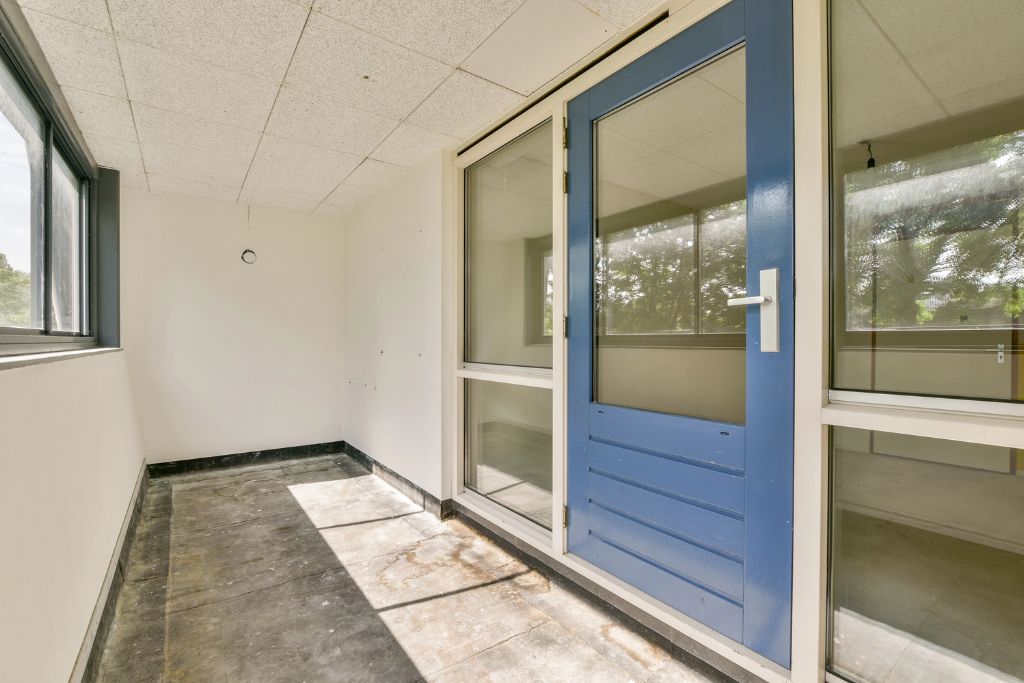
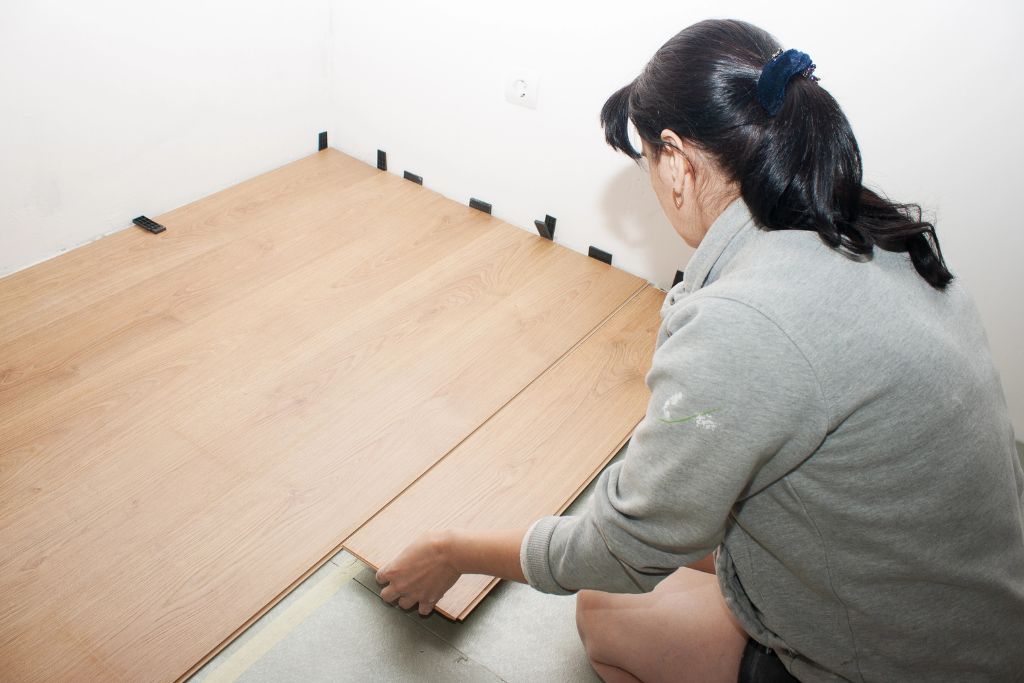
We work with general contractors and end users to handle flooring needs for commercial projects like offices, hospitals, and schools. That means finding products that fit the design criteria while staying within budget.
We sell both materials and labor, though sometimes just one or the other depending on the client.
Our commissions are paid when the project is paid out by the general contractor and officially closed. There’s a lot of follow-up involved, because if the client doesn’t pay, you don’t get paid.
What did your best month look like?
My best month was that $20,000 commission check in 2020.
During COVID, many places were closed, but projects were still moving forward. I actually did more sales during that time than before.
The projects varied in size. Smaller jobs paid faster because they closed out more quickly. Larger jobs ranged roughly from $100,000 to $300,000.
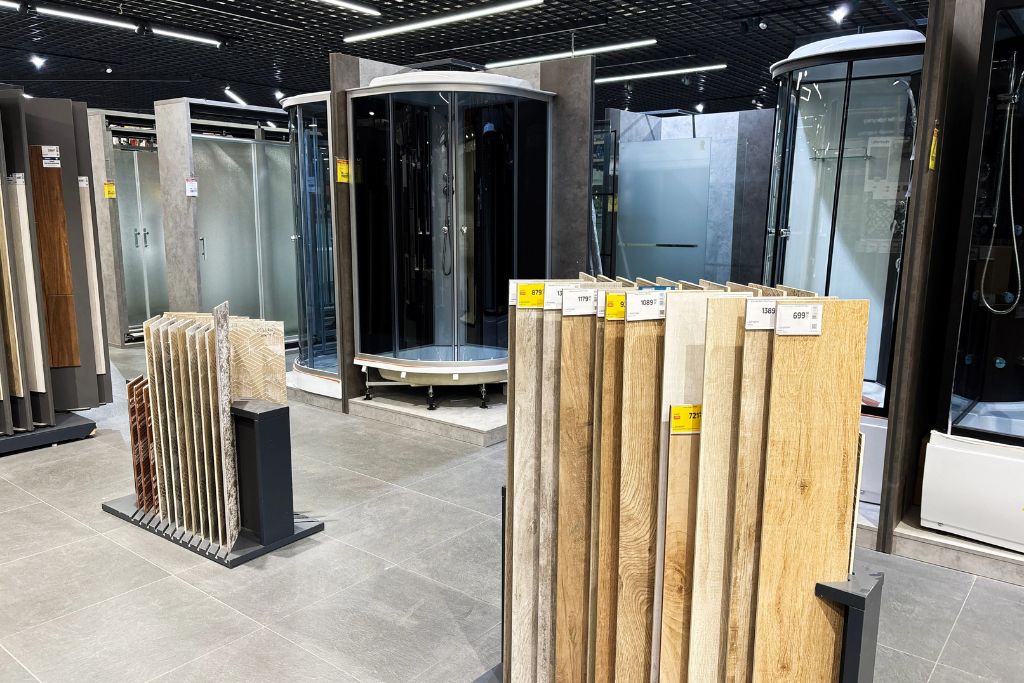
There are a lot of moving parts. It starts with estimating and making sure you have enough materials.
Then there’s the admin side: submitting samples and product data for approval. Once approved, materials get ordered and the project gets scheduled.
I usually run smaller jobs myself (up to about $100,000) with help from a superintendent who checks job site conditions.
Communication with the client is always the top priority. If they don’t know what’s going on, they won’t want to work with you again.
Can you share an example of a particularly profitable project?
I sold a job at 18% margins, not including overhead. By the end, it finished at 70% margins because of a DPO (Direct Purchase by Owner).
That means the owner bought and paid for the materials themselves, but we kept the profit we had sold on our side.
Projects like this are common, especially with schools in Florida, and they’re a great way to increase margin. The higher the gross profit margin, the higher the commission.
Do you need a construction background to succeed?
I had no construction background and no engineering degree. I learned through mentors and long hours of hands-on experience.
The most important skill in this industry is understanding blueprints. If you can’t understand building layouts or the materials going into them, it’s hard to be successful.
What mistakes do new reps often make?
The biggest mistake is not asking questions or asking for help. If you don’t know something, don’t just hope it works out. Ask.
That can be the difference between a successful project and a failure.
Communication is also critical. Letting a client know about delays, like a material being a week late, helps them adjust their schedule.
Communicate, communicate, communicate.

How much time does someone need to put in each week to start making good money?
When you’re starting out, there’s a lot of cold calling. Visit offices, make calls, send emails; all to get on bid lists so you can start pricing projects.
It takes time to build a backlog and close projects, but once you get there, things move more smoothly.
Early on, I spent a lot of time in the office bidding projects. I have one client that bids about 10 projects a week. It’s time-consuming, but they win enough to make it worthwhile.
Follow up on bids about 3 – 4 weeks after submitting. That keeps you top of mind without being annoying.
What would you say to someone who thinks this field is too competitive, too technical, or not for women?
I think women are built for this industry. We’re tough and detail-oriented, which matters a lot in construction.
It can be competitive, but strong support from coworkers and management makes a huge difference. I’m currently rebuilding my book of business at a new company in Tampa and starting fresh again, and I can say it’s never too late to break into this field.
There’s plenty of work out there, and you can build a solid living while still pushing for more.
Thanks again to Katie for sharing her story! If there’s one takeaway it’s that you don’t have to have the “perfect” background to get into a high-income industry. You just need the willingness to learn, show up consistently, and get in the rooms where opportunities actually live. If this sparked something in you, use it as your sign to start exploring the paths you have been ignoring because they felt unfamiliar.